[Blog Series] Measuring Atheism: Differentiating Non-religiosity and Anti-religiosity

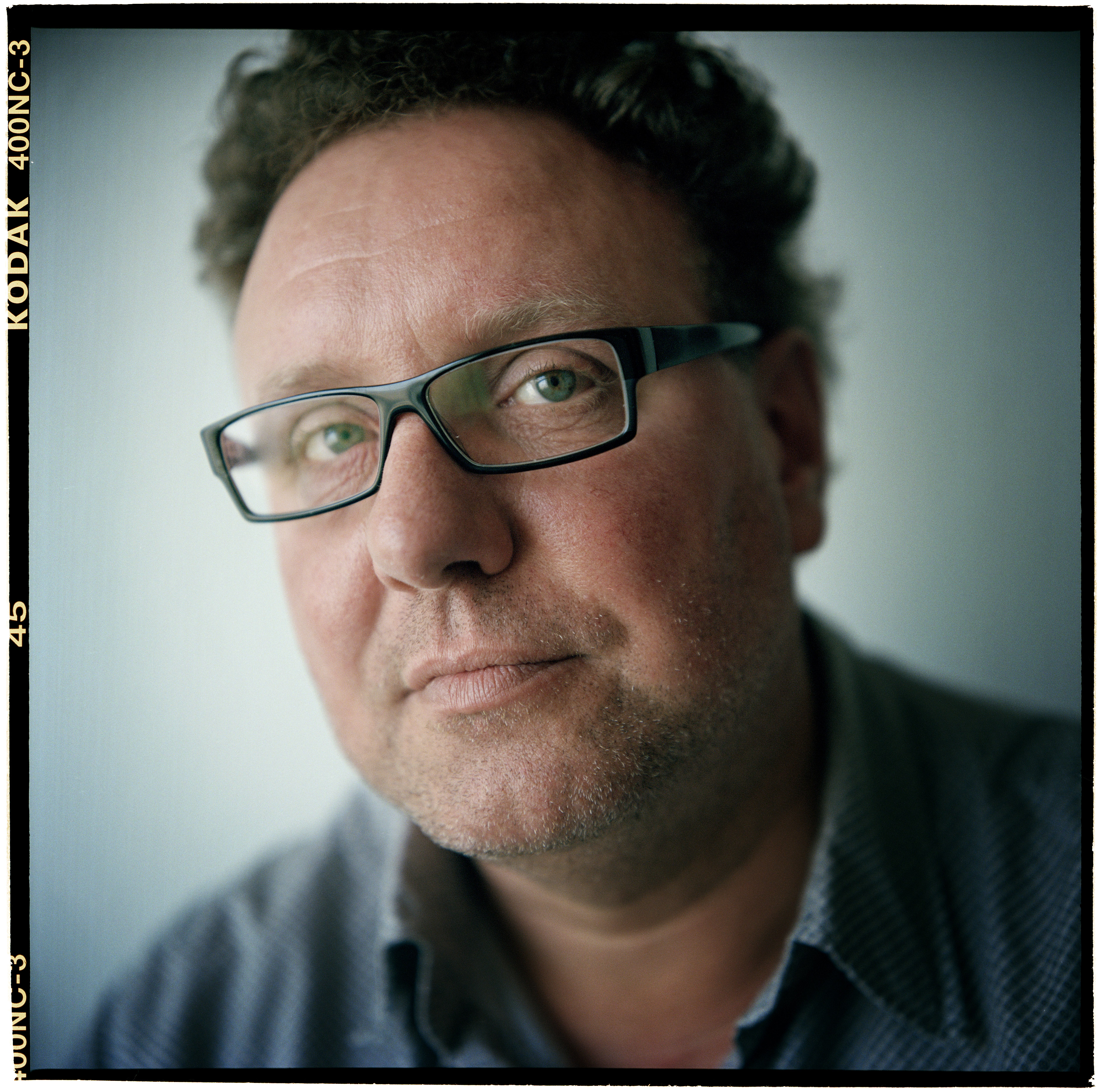
In this post, Egbert Ribberink, Peter Achterberg and Dick Houtman explore the problematic nature of measuring and differentiating atheism, non-religion and anti-religiosity and call for using existing large-scale surveys to understand said phenomena. From their recent research they detail the particular obstacles they overcame and elucidate how different questions on measuring non-belief produce much different answers.
DSC_4034

peter achterberg

Dick Houtman


In quantitative analysis, atheism is often used as a concept to describe those who state that they do not believe, when asked what they believe about God (for example Becker and de Wit) or those that indicate that they are not a member of a religious organization (for example Norris and Inglehart, p. 186). It seems as if researchers treat atheism as the ‘residual category’ in their study of religion. However, the recent debate on atheism, religious ‘nones’ and non-religiosity suggests that this sociological habit of categorizing non-believers and non-affiliates as atheists, does not do justice to the intricacies of the atheist identity (see Lee, Smith, Ribberink and Houtman, and LeDrew). There exists a great difference between say, an attender of an atheist gathering like the Sunday Assembly and a supporter of the American Atheists movement. Therefore, quantitatively oriented scholars should be very careful in their operationalization of the tolerant and almost spiritual kind of atheism on the one hand (better described as non-religious or a-religious; see Day and Lee for a discussion on these concepts), and the militant and provocative atheism on the other (better depicted as anti-religious).[i]

In our recent studies on non-religiosity and anti-religiosity in Western Europe, we discovered that operationalizing these differences is not so easy. We encountered three particular obstacles. First, the commonly used surveys for the study of religion, culture, and politics (for instance, EVS, ISSP) use different questions for measuring similar religious beliefs and attitudes. Second, they have very few items that lend themselves to distinguishing anti-religiosity from non-religiosity in general and religious indifference in particular. Third, there are a limited number of options for operationalizing different kinds of anti-religiosity, for example anti-Muslim sentiment. Now, researchers like us have two options: we could decide to dismiss datasets designed to measure religiosity as useless for understanding non-religiosity; or we could gloss over the differences and imagine that non-religiosity really is quite a straightforward matter. With this blog, we describe the way in which we overcame these pitfalls. We do not provide an exhaustive list of what can be achieved with these datasets on religiosity, but in discussing these three obstacles, we point to a number of important nuances to the data that analysts should attend to when quantitatively studying non-religiosity.


Different questions, different answers


In general, scholars of religion distinguish three different ways of measuring religiosity: practice, beliefs and affiliation. The same is true for non-religiosity. Looking at the most common measure of non-religiosity, namely non-belief, we find different outcomes, depending on which question is used.


  EVS 2 options EVS 4 options   ISSP 6 options
Czech Republic 54% 32% 37%
Germany 49% 35% 24%
Norway 45% 18% 18%
Table 1. Percentage of non-believers per country for different measures (Source: EVS 2008 and ISSP 2008).


In the EVS, the most commonly used question is: ‘Do you believe in God?’ with the answer categories ‘yes’, ‘no’ and ‘don’t know’. Furthermore, the EVS contains an item that asks what statement comes closest to describing the respondents’ beliefs. The answers are ‘I don’t really think there is any sort of spirit, God or life force’, ‘I don’t really know what to think’, ‘there is some sort of spirit or life force’, and ‘there is a personal God’. These measures reveal huge differences in the percentage of non-believers in several European countries. For the Czech Republic, for example, comparing the first yes/no measure with the second four-option measure reveals 22% fewer non-believers (32% of total population instead of 54%) and comparing the same two measures for Norway reveals an even larger difference at 27% (see table 1). Including the ISSP, the picture varies even more. This survey also gives several answer options (six possible answers, ranging from ‘I don’t believe in God’ to ‘I know God really exists and I have no doubts about it’). Out of the 22 countries that appear in both surveys, 6 have larger differences than 5%, with Germany as an outlier with 11% fewer non-believers according to the ISSP-measure. For Norway results are similar, while for the Czech Republic the ISSP-measure reveals 5% more non-believers. Scholars of religiosity, spirituality, non-religiosity and secularity should be aware how each of these measures reveals a different number of non-believers living in each country.


Non-believers, religious ‘nones’ or non-attenders?


Looking at other measures of non-religiosity, namely religious affiliation and attendance rates, the differences between countries are even more striking, in particular for the Scandinavian countries (see Table 2).


no belief no affiliation no attendance
Denmark 18% 14% 91%
Finland 11% 18% 92%
Norway 18% 16% 93%
Sweden 19% 29% 94%
Germany 24% 34% 84%
Netherlands 20% 41% 80%
Great Britain 14% 33% 72%
Table 2. Percentage of non-believers (6 categories), non-affiliates, and non-attenders (less than monthly) per country (Source: ISSP 2008).


Compared to other former Protestant countries, the Scandinavian countries boast low levels of non-affiliates and high levels of non-attendance. Students of non-religiosity (and media reportages quoting them) should be well aware of these differences and their underlying historical, cultural and political reasons (see Sherkat). In our studies we mostly use the attendance measure for determining country-level religiosity and non-religiosity, because this gives the best idea of people’s active, day-to-day religious practice. However, the reason for choosing one or the other measure should depend on the theoretical question at hand.


Non-religiosity and anti-religiosity in ISSP and EVS


Thus far we have discussed different ways of measuring non-religiosity. Choosing a proper measurement of anti-religiosity is even more difficult, because of the limited availability of answer categories in the different surveys. Anti-religiosity is an attitude of opposition towards religions and the religious. Several possible ways of measuring this attitude are found in the ISSP. For example, two items inquire into attitudes towards the influence of religious leaders on governmental decisions and peoples’ votes; and two items inquire into responses to statements about the intolerance of religious people and whether or not religion creates conflict. We used a combined scale of answers on these items in our 2013 article on anti-religiosity in Western Europe. One of the interesting findings of this article was that people with higher education were significantly more anti-religious when living in a religious country (and vice versa), whereas on average the level of anti-religiosity was lower in these countries (see figure 1, and article for further details).

figure 1Figure 1. Predicted anti-religiosity for lower educated and higher educated in contexts of low and high national church participation in 14 Western European countries, source: ISSP 2008.


Bruce (see p. 221) uses the same four questions, studying sympathy for religions in Britain in 1998 and 2008, but adds two more on tolerance of religious power and confidence in religious organizations. Alternatively, one could also include items that inquire into the possible dichotomy between science and faith, but we follow Greeley in his concern that these questions are biased and do not measure a general attitude of anti-religiosity but a very specific pro-science attitude.

The EVS has richer data on people’s attitudes towards cultural, political, economic and national issues, but has fewer options for operationalizing anti-religiosity. It contains two items that can be seen to measure respondents’ hostility towards religion, albeit indirectly. One item asks whether respondents consider themselves religious. The possible answers differentiate between religious, non-religious and ‘convinced atheist’. Although the term ‘atheist’ can mean many different things, it is clear in this case that respondents are led to view it as something distinct from non-religiosity. It can therefore be argued that respondents read the term ‘convinced atheist’ to mean ‘anti-religious’. The item that asks for people’s confidence in the church as an institution can also be seen as an expression of religious tolerance (or the opposite: intolerance). Its answer category is a 4-point scale, ranging from ‘a great deal’ to ‘none at all’. Taken together, an index for anti-religiosity can be created (see our article). Nevertheless, statistically, this two-item index is less robust than the 4 (or 6) item-index that can be made using the ISSP-data.


Anti-religiosity and anti-Muslim sentiment


The availability of cross-national survey-data is very important for quantitative research. As we have shown, the different options for operationalizing anti-religiosity as distinct from non-religiosity are quite limited. This is even more problematic, considering the perspectives on anti-religiosity that now remain underexposed. For example, current opposition by Pegida to Muslims in Germany seems to be a typical anti-religious expression, although it can also be seen as an expression of an anti-immigrant prejudice. These two attitudes are hard to differentiate, using ISSP or EVS datasets.  In the ISSP there is no question that deals with attitudes towards Muslims, while in the EVS, there is only one item that deals with it very indirectly. It is a so-called “social distance” question about which groups of people (among others homosexuals, drug addicts, large families and Muslims) respondents find undesirable as neighbors. In the literature, this crude, dichotomous measure is used (see Strabac and Listhaug), sometimes combined with anti-immigrant attitudes to create a more robust measure. For most Western European countries, this latter construction is legitimate, since almost all larger non-European immigrant minorities are Muslim (with the exception of Indian people in Great Britain). When people are asked to think of immigrants, they tend to think about Muslims, and several studies have shown that anti-Islamic sentiments are closely related to types of prejudice related to immigrants (see Spruyt and Elchardus), like ethnocentrism, cultural and economic xenophobia, and authoritarianism. However, opposition towards Muslims, mosques, wearing of veils or other Muslims practices can also argued to be something purely anti-religious and not related to anti-immigrant sentiments. Thus, to differentiate these attitudes from each other, more specific survey data is needed.

Finally, one of the most intriguing questions in relation to measuring anti-religiosity is to what degree the secularization (Bruce) of the West leads to religious indifference (Bagg) or to polarization and conflict over questions of public religiosity (Casanova). Thus far, this question has not been settled, perhaps also because indifference or apathy is hard to measure. We can only hope that apart from qualitative research (Lee) and experimental surveys (Scheitle and Ecklund), the larger surveys are also improved to the point that we can answer questions like these conclusively. In the meantime, we hope that the possibilities and nuances provided above, will help analysts of non-religiosity to make the most of present survey data.

[i] Note that we use the term ‘nonreligion’ in its conventional sense to indicate the general absence or irrelevance of religion, in contrast to the sense used by Lois Lee, Johannes Quack and others, which describes a meaningful relationship of difference with religion. Anti-religion is therefore distinguished from (rather than an example of) nonreligion in our work.
 

[Blog Series] Angels and the Digital Afterlife: Studying Nonreligion Online

In the second instalment of the SSNB/NSRN methods blog, Tim Hutchings argues that the scope and significance of digital methodologies for the study of – and beyond – ‘nonreligion’ is much broader and more promising than is often perceived.20151006_15_TimothyHutchings_2015_SvanteEmanuelli

In some areas of the internet, the line between religion and nonreligion could not be clearer. Christians and Atheists battle through forums and video blogs, form rival groups on social media, and share satirical memes mocking one another’s failings and inconsistencies. This kind of skirmishing has been widely discussed; see, for example, Christopher Smith and Richard Cimino’s 2012 study of secularist activism in American blogs and YouTube videos, or Stephen Pihlaja’s 2014 analysis of the rhetoric of YouTube flame wars. Social media can play a crucial role in the “de-privatization” of anti-religious identities,[i] providing space for individuals to articulate their opposition to religion and its public influence.

Elsewhere online, the boundary between religion and nonreligion becomes much harder to trace. If we only pay attention to the most explicit forms of anti-religion, we risk missing some of the more subtle and interesting negotiations of what it actually means to be (or not to be) “religious”. We can also miss whole areas of activity in which the boundary doesn’t seem to mean very much at all. As Dusty Hoesly argues in a recent article in Secularism and Nonreligion, ‘religious, spiritual, secular, and nonreligious identities are not stable, unitary formations’, but performances, ‘discursive, relational constructions contingently articulated in particular locations at specific times for particular purposes’. Researchers interested in digital nonreligion need to look out for those performances, and to develop methodologies that are sensitive to their transient contexts and implications.

Hoesly is writing about weddings, but my own research applies that same insight to the study of death. Working with a team of colleagues at Stockholm University, I am exploring digital media as an “existential terrain”, a landscape in which users encounter and try to make meaning out of experiences of vulnerability.[ii] Our research includes case studies of end-of-life blogs, online support forums, harassment, gendered mourning cultures and the digital afterlife.

One of the key findings of research in the field of digital death studies has been that the bereaved talk to the dead online. Visit almost any memorial page on Facebook, and you’ll see this in action. Grieving friends and family members keep in touch with the dead by sending them messages, and these messages share a largely consistent vision of what happens after death. According to these messages, the dead live on in a world parallel to our own, close enough to hear us. They are often spoken of as angels, particularly if they died as children. Their world is still much like ours, full of vibrant social activity, music and parties. Crucially, that other world is accessible: we will all be reunited there when we die.

These kinds of cases point to ways in which the analytical boundary between religion and nonreligion is blurred in everyday life. The question is: is there anything religious about this mythology of a digitally connected heaven? And if so, how can we tell?

Only a few scholars have tried to analyse the religious aspects of the digital afterlife, and so far their responses have been divided. We can divide their arguments into three broad camps: the digital afterlife is unproblematically religious; it is transforming religion; or it is not religious at all.

We find the first and simplest approach in the work of HCI researchers Jed Brubaker and Janet Vertesi (2010), who see talking to the dead online as an inherently religious act, a “technospiritual practice”, because the idea that the dead live on in heaven is part of the Christian worldview. It is religious, because it shares the symbolic content of religion.

The second approach is rather more dramatic. According to Elizabeth Drescher, a researcher of spiritual practices among the “nones”, the mythology of the digital afterlife might actually change religion itself (2012). When a Christian dies, their friends continue to speak to them online, and Drescher sees this as something new: digital media have broken down the barriers between life and death and given rise to a new shared theology.[iii] The digital afterlife is still religious, but the content and practice of religion is changing.

The third approach is more dismissive. Christian theologian Erinn Staley (2014) argues that we should not take these practices literally. No one expects the dead of Facebook to talk back to them, so they can’t really be alive. Talking to the dead is not religious, because it is not motivated by the right kind of belief.

In the wider field of studies of death and nonreligion, we find plenty of grounds for caution about all three approaches. Abby Day found in her interviews that ‘even atheists sense ghosts’, but refuses to categorise their experiences as “religious” (2011). Instead, she argues, we should see their stories of ghostly experiences as ‘a performative strategy’, an attempt to continue to belong in a social network. Her interviewees were ‘creating and sustaining’ their belief in a continuing relationship with the dead by ‘performing’ that belief through the telling of stories. Experiencing and communicating with the dead is not (necessarily) religious, because it is not (always) embedded in a worldview that connects the individual to gods and divinities. To put that another way, talking to the dead is motivated by belief, but belief itself is not religious. If so, then the theology of the digital afterlife is actually much less interesting than its performances and their social functions.

So where does this leave us?

Online, there is a vast landscape of activity revolving around death, grief, bereavement and memory, within which a consistent worldview and set of practices have emerged. This worldview shares certain themes and symbols with Christian ideas of heaven, but does not seem to be limited to (or universally shared within) Christian communities. Indeed, theologically there seem to be considerable divergences between this view of the afterlife and the historic and current mainstreams of Christian theology (see McDannell and Lang 1988). Researchers of digital death have tended to assume that any reference to heaven must be religious, or that religion involves a special kind of belief, but we are still waiting for nuanced studies of the boundary between religion and nonreligion in digital death.

In this area, as elsewhere, sensitivity to a broader domain of nonreligious identification and belief points to the possibility and potential of much more diverse – and therefore methodologically challenging – empirical studies. I will end this post with two calls to action.

First, we urgently need a much wider range of cross-cultural studies of death and grief online (as of other forms of religious/nonreligious existential experience), to balance the current wealth of case studies from the English-speaking (particularly North American) world.

Second, we must remember the insights proposed by Dusty Hoesly and Abby Day, and approach commitments to “religion”, “nonreligion” and “belief” as unstable and temporary performances, embedded in social contexts and articulated for specific purposes. Instead of studying the digital afterlife as a worldview borrowed from religion, it will be considerable more interesting to analyse the practices used to engage with the afterlife, paying attention to the social functions of ritual and the identities and relationships constructed by talk.

We know that atheists can sense ghosts – but what does it mean when they become angels?

Notes

[i] See Ribberink, Achterberg and Houtman (2013)

[ii] For another existential approach to death and nonreligion, see Lois Lee (2015), especially chapter 7.

[iii] For another transformationist view, see Tony Walter (2011)


Tim Hutchings received his PhD in the sociology of religion from Durham University (2010). He is a sociologist and ethnographer of digital religion, and his research explores new digital forms of authority, community and ritual. He has conducted postdoctoral work at Umeå University (Sweden), The Open University and Durham University, and he has now joined the Institute for Media Studies at Stockholm University. His new research with the Existential Terrains project (et.ims.su.se) focuses on death, bereavement and digital media. His first monograph will be published later this year, and a full list of his publications can be found online at su-se.academia.edu/TimHutchings. Dr Hutchings is also the Editor of the Journal of Religion, Media and Digital Culture (www.jrmdc.com).


References

Brubaker, J. and Vertesi, J. (2010). Death and the social network. Paper presented at the CHI 2010 Workshop on “HCI at the End of Life: Understanding Death, Dying, and the Digital”, Atlanta, GA, USA. Available online at www.dgp.toronto.edu/~mikem/hcieol/subs/brubaker.pdf.

Day, A. (2011). Believing in belonging. Oxford University Press: Oxford.

Drescher, E. (2012). Pixels perpetual shine: The mediation of illness, dying, and death in the digital age. CrossCurrents 62(2), 204-218. dx.doi.org/10.1111/j.1939-3881.2012. 00230.x

Hoesly, D. (2015). “Need a minister? How about your brother?” The Universal Life Church between religion and non-religion. Secularism and Nonreligion 4(1), art.12.  doi.org/10.5334/snr.be

Lee, L. (2015). Recognizing the Non-religious: Reimagining the Secular. Oxford University Press: Oxford.

McDannell, C. and Lang, B. (1988). Heaven: A History. Yale University Press: New Haven.

Pihlaja, S. (2014). Antagonism on YouTube: Metaphor in Online Discourse. Bloomsbury: London.

Ribberink, E., Achterberg, P. and Houtman, D. (2013). Deprivatization of disbelief? Non-religiosity and anti-religiosity in 14 western European countries. Politics and Religion 6(1), p.101-120. https://dx.doi.org/10.1017/S1755048312000740.

Smith, C. and Cimino, R. (2012). Atheisms unbound: The role of new media in the formation of a secularist identity. Secularism and Nonreligion 1, 17-31. doi.org/10.5334/snr.ab

Staley, E. (2014). Messaging the dead: Social network sites and theologies of afterlife. In: Lewis, A. and Moreman, C. (eds.), Digital Death: Mortality and Beyond in the Online Age. Praeger: Santa Barbara. 9-22.

Walter, T. Hourizi, R., Moncur, W., and Pitsillides, S. (2011). Does the internet change how we die and mourn? An overview. Omega 64(4), 275-302. doi.org/10.2190/OM.64.4.a

[Blog Series] Measuring Implicit Religious and Nonreligious Belief

In the first of the SSNB/NSRN Methods Blog series, Elisa Järnefelt introduces us to methods for researching, not the religious-like and religion-related beliefs we consciously think we hold, but the ones we unconsciously hold – which work to shape our attitudes, behaviours and relationships with others beneath our awareness.EJ_Picture

Have you ever caught yourself thinking a thought that you do not agree with? For example, imagine yourself standing in a field. Does it feel and look like the Earth you are standing on is flat and ends at the edge of a horizon? For most of us, the answer is yes. Yet, if you think more about it, you most likely will realize that you believe that the Earth is not flat but a revolving spherical object orbiting around another spherical object.

This is what philosopher Robert N. McCauley (2011) refers to as the difference between “natural and practiced cognition”. Psychologists Jonathan St. B. Evans (2003) and Keith Stanovich, (2004) on the other hand, use expressions like “the presence of two minds in one brain” and “a brain at war with itself”. These scholars agree, however, that people form beliefs in (at least) two different ways: fast and slow (Kahneman, 2011). People rely on their immediate and spontaneous beliefs the world to guide their actions but also often slowly and deliberately reflect. This can often lead to personal contradictions at the different levels of cognitive processing. For example, previous research has identified differences in people’s implicit and explicit beliefs and reasoning about gender, race, and economics (see e.g., Kahneman, 2003, 2011; Sadler, Correll, Park & Judd, 2012).

Religion and nonreligion are not exceptions to this. As much as people’s self-understanding of their own religious or nonreligious beliefs and identities are important to take into account, we all have thoughts of which we are not necessarily aware. For example, previous research has found that although atheists do not explicitly believe in either the purpose or purposeful creation of nature, when they have to quickly decide whether “the sun makes light so that plants can photosynthesize”, or that “some being purposefully made”  trees, rivers and fish, their responses reveal spontaneous teleological and intentional forms of reasoning (Järnefelt, Canfield & Kelemen, 2015; Kelemen & Rosset, 2009; Kelemen, Rottman & Seston, 2013).

The importance of assessing the implicit level of religious and nonreligious beliefs is not to show that people can contradict themselves. Rather, such findings are relevant for understanding more indirect causes of people’s behavior and for explaining why certain types of explicit beliefs are more easily spread (e.g., Mercier & Sperber, 2008; Sperber, 1996).

When studying implicit processes in the context of religion and nonreligion, researchers have utilized both quantitative and qualitative methods. A common methodological feature that these studies share is that they assess people’s beliefs indirectly. This means that, instead of asking the participants to report their own evaluation of the effects of their beliefs, participants are not fully aware of the particular beliefs the researchers are measuring. To clarify, I will offer two examples – one from a quantitative methodology, and one from the qualitative one.

One way to assess implicit effects of people’s beliefs is through priming methods. When priming participants, researchers activate people’s thinking about certain phenomena without the participants being explicitly aware of this activation. For example, in a series of studies, Will M. Gervais and Ara Norenzayan (2012) were interested in assessing whether people’s belief in the Abrahamic God, who is traditionally characterized as morally monitoring and able to punish, has implicit effects on their sense of being monitored. In order to implicitly activate participants’ thoughts about God, the researchers gave them sets of words (Shariff & Norenzayan, 2007) that they were instructed to re-arrange into sentences by dropping one word. Participants in the control condition arranged words that did not relate to religion whereas the participants in the test condition arranged words that referred to various religious concepts familiar in the Abrahamic tradition (i.e., God, spirit, divine, prophet and sacred). The researchers were interested in seeing whether such priming would increase participants’ sense of being socially monitored.

What the researchers found was that explicit God-believers were affected by thinking about the religious concepts and showed increases, for example, in socially desirable responding whereas the effects were less consistent with the participants who did not explicitly believe in God. When debriefing the participants afterwards, it was confirmed that these effects had happened without the participants being aware of the religious prime or being aware of the focus of the study. This implies that, for explicit believers, unconsciously thinking about a morally-interested supernatural agent has similar implicit psychological and behavioral consequences as being monitored by another person.

Other researchers have used qualitative methods to assess implicit beliefs. For example, Bethany Heywood and Jesse M. Bering (2013) were interested in assessing whether people’s tendency to understand events in life in terms of purpose is caused solely by explicit theistic belief, or whether a purpose-based understanding of life is a more general and widely-shared cognitive tendency. To explore this, they conducted semi-structured interviews. However, similarly to the previous study, participants did not know the exact focus of the study beforehand. Furthermore, instead of asking explicit questions about whether the participants understood their life-events in reference to purpose, or whether they understood their religious or nonreligious beliefs to play a role in their interpretations, participants were asked several questions about various aspects of important events in their lives. The level of teleological or purpose-based descriptions in the participants’ responses was then assessed by coding the content of the answers. The researchers found that when participants were not simultaneously asked to think about their explicit religious/nonreligious beliefs or identities, but just to describe the causes of their own life-altering events, both theists and atheists held similar purpose-based beliefs about their lives. This does not mean that atheists in the study were believers in disguise. It only shows that people’s explicit identities and beliefs are often only a half of the story.

These examples are just a fraction of the theoretical and methodological possibilities for exploring implicit religious and nonreligious beliefs. While implicit measures require special attention during study design, they open up many interesting opportunities to explore the interrelations between the explicit and implicit levels of religious and nonreligious beliefs.


Dr Elisa Järnefelt received her PhD in the Study of Religion from the University of Helsinki, Finland. As part of her doctoral and the following postdoctoral research she was a visiting scholar at the Child Cognition Lab at Boston University, and combined the theoretical and methodological perspectives of Cognitive and Experimental Psychology with the Study of Religion. Recently, she has worked as a Research Fellow at the Centre for Science, Knowledge and Belief in Society at Newman University, UK. Throughout her studies and research she has been interested in assessing the cognitive tendencies involved in supernatural reasoning, especially when people think about the origin of natural phenomena. She is also interested in developing novel methodological approaches that help to bridge between the various disciplinary perspectives in practice.


References

Evans, J. St. B. T. (2003). In two minds: Dual-process accounts of reasoning. TRENDS in Cognitive Science, 7(10), 454–459. http://dx.doi.org/10.1016/j.tics.2003.08.012

Gervais, W. M., & Norenzayan, A. (2013). Like a camera in the sky? Thinking about God increases public self-awareness and socially desirable responding. Journal of Experimental Social Psychology, 48(1), 298–302. http://dx.doi.org/10.1016/j.jesp.2011.09.006

Heywood, B. T., & Bering, J. M. (2013). ‘‘Meant to be’’: How religious beliefs and cultural religiosity affect the implicit bias to think teleologically. Religion, Brain & Behavior, 4(3), 183–201. http://dx.doi.org/10.1080/2153599X.2013.782888

Järnefelt, E., Canfield, C. F. & Kelemen, D. (2015). The divided mind of a disbeliever: Intuitive beliefs about nature as purposefully created among different groups of non-religious adults. Cognition, 140, 72-88. http://dx.doi.org/10.1016/j.cognition.2015.02.005

Kahneman, D. (2003). A perspective on judgment and choice: Mapping bounded rationality. American Psychologist, 58(9), 697–720. http://dx.doi.org/10.1037/0003-066X.58.9.697

Kahneman, D. (2011). Thinking, fast and slow. Straus and Giroux: Farrar.

Kelemen, D. & Rosset, E. (2009). The human function compunction: Teleological explanation in adults. Cognition, 111(1), 138–143. http://dx.doi.org/10.1016/j.cognition.2009.01.001

Kelemen, D., Rottman, J., & Seston, R. (2013). Professional physical scientists display tenacious teleological tendencies. Purpose-based reasoning as a cognitive default. Journal of Experimental Psychology: General, 142(4), 1074–1083. http://dx.doi.org/10.1037/a0030399

McCauley, R. N. (2011). Why religion is natural and science is not. Oxford: Oxford University Press.

Mercier, H. & Sperber, D. (2008). Intuitive and reflective inferences. In Jonathan St. B. T Evans & Keith Frankish (Eds.), In two minds: Dual processes and beyond, pp. 149-170. Oxford University Press.

Sadler, M. S., Correll, J., Park, B. & Judd, M. (2013). The world is not black and white: Racial bias in the decision to shoot in a multiethnic context. Journal of Social Issues, 68(2), 286-313. http://dx.doi.org/10.1111/j.1540-4560.2012.01749.x

Shariff, A. & Norenzayan, A. (2007). God is watching you: Priming God concepts increases prosocial behavior in an anonymous economic game. Psychological Science, 18(9), 803-809. http://dx.doi.org/10.1111/j.1467-9280.2007.01983.x

Sperber, D. (1996). Explaining culture: A naturalistic approach. Blackwell Publishers.

Stanovich, K. E. (2004). Robot’s rebellion: Finding meaning in the age of Darwin. University of Chicago Press.

[Blog Series] Research Methods for the Scientific Study of Nonreligion

Over the next two months, the NSRN will work in collaboration with the Scientific Study of Nonreligious Belief* project to present a series of blogs providing practical guidance for the empirical study of nonreligious individuals, institutions and cultures, as well as exploring outstanding methodological challenges and new opportunities. In this opening blog, the series editors, Lois Lee, Stephen Bullivant, Miguel Farias and Jonathan Lanman, introduce the series.

lois-small1PROFILE NEW SMALLMiguel Farias_lua de papel_15Jon Lanman

There is growing scientific recognition of the need to understand nonreligious populations more deeply – an interest illustrated by the publication of volumes of initial research, and by research initiatives such as the Institute for the Study of Secularism in Society and Culture (ISSSC) at Trinity College, Hartford, CT and, of course, the Nonreligion and Secularity Research Network (NSRN) itself.[i]

These first explorations should be particularly commended for taking on the daunting challenge of finding empirical approaches to what was, and probably still is, one the largest unresearched populations in the human sciences:[ii] at around 1.1 billion people worldwide, religious ‘nones’ count as the world’s third largest ‘religious’ group (Pew Forum 2015), yet until recently scientific studies of this and similarly-defined populations were ad hoc and nothing approaching a sustained body of work could be discerned (Bullivant and Lee 2012).

As the NSRN bibliography attests, the situation is today markedly different, and the achievements of the past decade are striking. At the same time, the sheer size of nonreligious and nontheist populations means that even this sustained effort has, in many ways, only just begun to skim the surface of the work needing to be done. Some areas are increasingly well developed – such as research with cultural and activist movements including the New Atheism, and on the topics of nonreligious identity and community formation – whilst other questions and themes are much less studied.

Even more strikingly, research into nonreligion has tended to focus on North America and some parts of Europe – with important exceptions that prove the rule. In general, first research has relied heavily on data from participants from WEIRD (Western, Educated, Industrialized, Rich, and Democratic) countries, even though those countries are markedly dissimilar from other parts of the world in many respects.

Even within these settings, we do not yet have extensive understanding of how demographic factors – class, gender, ethnicity, religious background and so on – shape and are shaped by nonreligion. Particular groups are over-represented in existing studies and the comparative work needed to show how nonreligious beliefs take form as a result of different demographic positions and experiences is lacking.

The next major task for scholars of nonreligion is, then, to describe and understand the nature and variety of nonreligious perspectives, beliefs and cultural formations across different cultural and demographic contexts. This is a challenging, but exciting prospect for those engaged in the empirical study of religion, nonreligion and secularity and in related projects of theory building.

This is an endeavour that will involve inputs from researchers from across disciplines and across the world. It is also one that will require methodological precision and innovation. One of the major achievements of pioneers of scientific research in this area is the provision of methodological innovations, reflections and precedents for future research to build from. But, as an emerging field of enquiry, we do not yet have a fully-developed and centralised body of conceptual and methodological tools that will help both to consolidate and disseminate this growing body of knowledge. Likewise, with terminology, we do not have the shared reference points that would support effective communication not only across disciplines but even within them – a situation which also limits opportunities to scrutinise and develop core concepts in light of new knowledge.

Blog pieces will take one of several approaches. Some blogs will introduce readers to the approaches that have been successfully used in the study of nonreligion. Others will engage with recognised methodological challenges in the field: how, for example, can we recruit non-affiliates, that is people who do not themselves identify in explicit non-religious terms and do not participate in any non-religious organisation, for research? What concepts can we best use to approach cross-cultural research? Yet other blogs will explore new methodological possibilities and opportunities, including pieces drawing on methodological approaches in other fields.

The series aims to provide researchers with immediate and ongoing access to methodological experiences and innovations emerging in the field, as well as exploring new methods for future research. By these means the series will, we hope, dramatically improve the ease and opportunity of conducting empirical studies of the nonreligious, as well as improved opportunities to reflect upon and critique those approaches.

***

*This series is part of the Scientific Study of Nonreligious Belief project, generously funded by the John Templeton Foundation in collaboration with UCL, St Mary’s University Twickenham, Coventry University and the Nonreligion and Secularity Research Network (NSRN). This project particularly focuses on the beliefs and meaning systems of nonreligious people – what we are calling nonreligious belief. This broad category attempts to capture the religious, religious-like, and religion-related ideas and convictions of nonaffiliates and atheists. It includes a wide array of specific beliefs, such as those about God(s) and supernatural agents, the nature and meaning of life, and the moral status of religious traditions. The blogs in this series particularly address this theme, broadly understood, though they also provide resources that will be useful beyond this framework. The project website will be launched in May 2016 and will be announced on the NSRN website.

We will continue to develop methodological resources in the longer term. If you have an idea for a blog topic or would like to get involved, please send your suggestions to Dr Lois Lee at lois.lee [at] ucl.ac.uk.

References

Bullivant, Stephen and Lois Lee. 2012. ‘Non-religion and Secularity: The State of the Union’, Journal of Contemporary Religion 27 (1), 19-27.

Pew Research Center. 2015. America’s Changing Religious Landscape, available online at: http://www.pewforum.org/files/2015/05/RLS-05-08-full-report.pdf (last accessed on 3 July 2015).


[i] Michael Martin, Phil Zuckerman, Stephen Bullivant and Lois Lee, Stephen Bullivant and Michael Ruse, Ruy Blanes and Galina Oustinova-Stjepanovic have all edited significant collections in this field, whilst Johannes Quack, Christopher Smith and Richard Cimino, Lois Lee are amongst those who have published research-based monographs in the field.

[ii] It is not quite true to say that this population was entirely unresearched before 2005, but there was certainly no sustained tradition of work. See Bullivant and Lee 2012.


Lois Lee is Research Associate at the Institute of Advanced Studies, UCL, PI on the Scientific Study of Nonreligious Belief project (John Templeton Foundation) and Nonreligion and Secularity Research Network co-director. Recent publications include Recognizing the Non-Religious: Reimagining the Secular (OUP, 2015) and Negotiating Religion: Cross-Disciplinary Approaches (Routledge, in press).

Stephen Bullivant is a Senior Lecturer at St Mary’s University, Twickenham. Among other books, he co-edited The Oxford Handbook of Atheism (OUP, 2013; with M. Ruse) and Secularity and Non-Religion (Routledge, 2013; with L. Lee and E. Arweck), and is currently writing The Oxford Dictionary of Atheism (OUP) with Lois Lee.

Miguel Farias leads the Brain, Belief and Behaviour group at Coventry University. He has previously been a lecturer at Oxford University where he also did his doctorate in experimental psychology. His major research interests are the psychobiological roots of beliefs and the effects of spiritual practices.

Jonathan Lanman is Assistant Director of the Institute of Cognition & Culture, and Lecturer in Anthropology at Queen’s University Belfast. His research aims to utilize the tools of both cognitive and social anthropology to examine religion, atheism, morality, and intergroup relations.

Event Report: Alternative visions of the public sphere: reflections on the FaithXchange Annual Conference

Fernande-small

Fernande Pool attended the FaithXchange Annual Conference held at Goldsmiths, University of London. In this report, she reflects on three papers, each engages with the public sphere and secularism from empirical, methodological and theoretical perspectives respectively.


On the 5th of February 2016, FaithXchange organised its Third Annual Conference, titled Alternative Visions in the Public Sphere at Goldsmiths, University of London. The papers presented at this conference offered a wide variety of alternative visions, from Native Faith in Catholic Poland and Pentecostalism in Post-Apartheid South Africa to witchcraft and political cartoons in the UK. Alongside these alternative visions, the conference included three papers with themes of particular pertinence to the readers of this blog, on which I reflect in this report.

Katie Aston, one of the keynotes, presented a paper titled Good without God: British Humanism in the public sphere, which draws on her ethnographic research with the humanist population in the UK. Aston first discusses the key characteristics of the British Humanist Association (BHA) and humanist life cycle rituals. She then moved on to an analytical discussion of the place of humanism in the public sphere. Aston argued that humanism is not only nonreligious but also nonsecular, ‘betwixt and between the religious and the secular’: humanists appeal to a sense of spirituality and sacred values normally associated with religion but reject religious belief, dogma, and institutions. Humanism is committed to liberal values but criticises hard secular categories and the depersonalised form that secular, bureaucratised rituals tend to take.

The humanist vision of the public sphere is an implicit critique of commonplace assumptions of the place of religion and secularity in the public sphere, and highlights some of the key problems associated with these assumptions. Humanists consider morality to be wrongly associated with religion, which I interpret to be a critique of what Keane (2007) has called the ‘moral narrative of modernity’. In this narrative religion is a separated, private sphere of life, but simultaneously morality is the special concern of religion. It follows that secular spheres of life either lack morality, or rely on a religious source of morality. Aston’s discussion of humanism raises a number of highly relevant questions that this narrative leaves open-ended: what could be a nonreligious and non-dogmatic source of morality? How can morality be disconnected from traditional religious institutions? Is secularity devoid of morality? How can one be nonreligious without being reduced to ‘just flesh and bones’ (in Aston’s words)?

In my understanding of Aston’s analysis, humanism attempts to embody a pragmatic answer to these questions, but remains in a somewhat awkward position in the UK public sphere as the hegemonic vision operates according to the ‘moral narrative of modernity’.

Another vision on how the boundaries between the secular and the religious are or could be blurred came from Tim Stacey who presented a paper titled Including alternative visions in the public sphere: from post-secular “atheism” to the methodological suspension of disbelief. Stacey’s key question is how to achieve inclusive, shared ideas of the common good in a religiously plural society and revive a sense of public duty and solidarity. He draws on ethnographic research among both religious and secular civil activist groups in London.

Firstly, Stacey argued that enthusiastic appropriators of Habermas’ understanding of the term post-secular as allowing for a radical re-imagination of the role of religion in the public sphere, overlook or fail to engage with the methodological atheism that carries over from his early work into his work on the post-secular. This methodological atheism, Stacey argued, views everything through a rationalist lens that hampers the acceptance and appreciation of religion in the public sphere.

Stacey then offered an alternative methodology that would be more inclusive of both nonreligious and religious visions of the public sphere, which he calls the ‘methodological suspension of disbelief’.  Stacey demonstrated how certain activist groups are capable of imaginatively reflecting on shared values and beliefs both between religions, and between the religious and nonreligious. The groups can be cohesive and powerful because they are able to suspend their disbelief in the validity of beliefs other than their own, and as such are able to overcome differences and conjure creative and alternative visions that challenge the state and the market.

The paper raised a number of interesting questions. First of all, what are the beliefs and faiths of nonreligious people? Are these fundamentally different from religious beliefs and faiths? Indeed, Stacey’s paper questions whether there is an ontological difference between the propositional belief in the absolute good as embodied in God, and the ways in which nonreligious people may hold faith with an ideal of the good, perhaps as embodied by historical figures.

Second, Stacey’s critique of the post-secular as still being based on hegemonic Enlightenment ideals of rationality is worth exploring, as is his suggestion that this hegemony may be challenged by a suspension of disbelief and as such revive a sense of solidarity among and between religious and nonreligious people. Reflecting back on Aston’s research, perhaps the suspension of disbelief could enhance the awareness of the content of a nonreligious or secular morality. The question remains: could we truly imagine secularity as an ideal that is able to include all these visions, and that can operate ‘as if’ the various visions are equally true?

The third paper I discuss is by Joshua Duclos. His paper, Let the right ones in: religious and the public sphere, questions whether religious reason should or should not be allowed in the public sphere of a liberal democratic society. This in turn warrants the question: is religious reason fundamentally different from public reason (reasons that we accept and that we can reasonably expect others to accept)?

Duclos first discusses various theoretical approaches to the ‘problem’ of religious reason. Most prominent is Rawls’ ‘standard approach’: religious reason is not publicly accessible and should therefore undergo a secular translation. In contrast its (mostly religious) opponents argue that such a demand goes against liberal democratic principles, and that the assertion of the public inaccessibility of religious reason is incorrect. Habermas offers a revised version of the standard approach, mediating between Rawls and its critics, which according to Duclos insufficiently addresses the key problem, namely the (in)accessibility of religious reason.

Duclos argued that the accessibility of reason does not depend on its religious or secular nature, but on the acceptability of the basic premises. Religious reasons are often thought to be based on basic premises that need to be accepted first, but that are not acceptable for a large number of people. However, Duclos’ demonstrates that secular reasons may at times be very inaccessible, for example when environmentalists arguments are based on premises that are either complex or unverifiable.

Duclos’ paper again raised a number of questions that beg our attention. If Duclos is correct and religious and secular reasons may be equally accessible and equally inaccessible, why do we tend to assume that secular reasons are more accessible and more acceptable than religious reasons? If we link this to Stacey’s research, do we tend to suspend our disbelief more readily when confronted with inaccessible secular reasons than with inaccessible religious reasons? And finally, does the contemporary, post-secular plural society require us to go beyond Habermas, in order to imagine a deliberative democracy in which citizens engage in public reason that may equally be of a religious and of a secular nature?

I end this report with a lot of open question that deserve our attention. In my view, the most pressing point that Alternative Visions foregrounds is the necessity to reconsider the hegemonic position of the secular as opposed to the religious, and the boundaries between the religious and the secular.

References

Keane, Webb. 2007. Christian moderns: Freedom and fetish in the mission encounter. Berkeley: University of California Press.


Fernande Pool aims to destabilise hegemonic conceptualisations of ‘religion’ and ‘secularism’ through ethnographic research. She has recently obtained her PhD degree at the Anthropology Department at the London School of Economics and Political Sciences (LSE). The PhD thesis explores the ethical life of Muslims in West Bengal, India. In particular, it explores the everyday experiences and vernacular meanings of secularism in relation to contemporary transformations in Islamic belief and practice. In subsequent research, Fernande aims to further explore the nature of ethical and religious life, and alternative experiences and meanings of secularism, both in South Asia and beyond.

She has recently joined the FaithXchange Research Network as a coordinator. For more information, visit her Academia.edu page.


Blog: A cognitive perspective helps make the scientific study of atheism possible

Jonathan Lanman reflects on how cognitive and evolutionary studies of religion have Jon Lanmancontributed to research on atheism – and suggests how such approaches might advance our understanding of atheism in the future.


After more than a century of development, the cognitive and evolutionary sciences now offer scholars a range of theoretical and methodological tools to better understand religion.  The use of these tools by anthropologists, psychologists, and religious studies scholars has led to the emergence of what has come to be known as the cognitive science of religion or CSR (e.g. Lawson & McCauley, 1990; Boyer 1994; Atran, 2002; Whitehouse, 2004; Barrett, 2004; Sosis, 2006; Norenzayan, 2013).

In 2007, I was convinced that CSR was making progress in explaining the ubiquity of religion but faced a real problem in accounting for atheism: if religion is so well-supported by universal cognitive mechanisms, why are there so many atheists?   Consequently, I began to investigate atheism with the cognitive and evolutionary sciences in mind, conducting fieldwork with atheist and humanist groups in the US, UK, and Denmark and running interviews, surveys, and experiments.

My research has convinced me that there are benefits to examining atheism from a cognitive perspective.  For example, a small but growing body of evidence suggests that evolved cognitive biases can help us explain who becomes a theist and who becomes a non-theist (Lanman & Buhrmester, 2016; Gervais & Najle, 2015; Henrich, Norenzayan, and Willard, forthcoming) and why some nations have higher proportions of non-theists than others (Lanman, 2012; forthcoming).

Yet, I have also been convinced that a cognitive perspective can provide a more substantial benefit to our work. Taking a cognitive perspective, I believe, allows us to escape the post-modern malaise that too-often arises when we recognize the socially-constructed nature of our key objects of analysis.  In short, a cognitive perspective helps make the scientific study of atheism possible.

The Problem: Atheism is not a “thing”

Like “religion” and the “secular”, “atheism” is a word used by a range of individuals with a range of interests, yielding substantial diversity in its definition and deployment (Bullivant, 2013).  For some it has meant a lack of devotion to the Roman deities; for others, a lack of belief in any and all non-physical agents; and for still others, a moral revolt against the Christian God.  There is no objective reason to accept one of these conceptions over another, and the word has been developed for use by social actors, not dispassionate scholars attempting to better understand the human condition.  Consequently, “atheism,” like “religion” (Smith, 1982, Fitzgerald, 2000) and the “secular,” (Asad, 2003) is a social construct.

While social constructs exist in our conceptual schemes, they are not natural kinds, whose causes and effects can be investigated across different environments (Bird & Tobin, 2016). To view “atheism” as a unified object of analysis (a “thing”), and to attempt to scientifically investigate its causes and effects across contexts, is to treat a local concept as a natural kind.  Pursuing a science of  such an “atheism” would be on par with pursuing a science of “weeds” or “trees,” concepts which are relevant for gardeners and landscape architects but not for biologists or geneticists (Boyer, 2015).  We would, like astrologers with their supposed “constellations,” be engaged in folly.

The Solution:  Fractionation

With a cognitive perspective, however, a science of “atheism” becomes possible. This seemingly miraculous trick is a gift from a principle used by cognitive scholars of religion called “fractionation” (Boyer, 1994; Whitehouse & Lanman, 2014) or “reverse engineering” (Taves, 2011). To fractionate or reverse engineer a socially-constructed concept is to break it up into distinct phenomena about whose independent existence we are more confident (though, of course, never certain).

In CSR, for example, scholars recognize that “religion” is a social construct but argue that the word “religion” labels a range of phenomena that may indeed be natural kinds.  These include:  beliefs in the existence of non-physical agents (Boyer, 2001), in the universe as a whole and certain events being designed for a purpose (Kelemen, Rottman & Seston, 2013; Heywood & Bering, 2014), and in the continuation of psychological functioning beyond death (Bering, Blasi, and Bjorklund, 2005), as well as socially-transmitted causally opaque actions (i.e. rituals) (Whitehouse, 2012; Legare et al. 2015) social identities (McElreath, Boyd & Richerson 2003; Park & van Leeuwen, 2015), and sacred values (Tetlock, 2003; Atran & Ginges, 2012). CSR has made progress in understanding religion by examining these phenomena as distinct objects of analysis, as building blocks that comprise the traditions we commonly label as “religions” (Sosis, 2009; Taves, 2015).

In my own research, I fractionate “atheism” into three elements (though there are surely more):

1) The absence of belief in the existence of non-physical agents.

2) Moral judgements of the immorality of “religion.”

3) Social identities that prominently feature the concept “atheism” or other forms of “nonreligion” (Lee 2015).

This fractionation of “atheism” is useful for at least two reasons.

First, we can have a higher level of confidence that each of these fractionated phenomena exists in the world beyond our conceptual schemes.   This confidence comes from the fact that we have progressive research programmes in the cognitive and evolutionary sciences on the causes and effects of beliefs (Boyer 2001; Bell, Halligan, and Ellis, 2006; Lanman, 2008; Farias et al., 2013), moral judgements (Graham, et al., 2012; Curry, 2016; Keane, 2015), and social identities (Tajfel & Turner, 1979; McElreath, Boyd & Richerson 2003; Park & van Leeuwen, 2015).  Thanks to this research, we have good reasons for seeing beliefs, moral judgements, and social identities as causally active, cross-cultural features of human cognition as well as a set of tools for investigating them. And while constructs such as “religion,” “atheism,” and “humanism” are social constructions, they do exist as representations in human minds, and can, consequently, become objects of belief, moral evaluation, and social allegiance.

Second, each of these fractionated phenomena exists in the absence of the others, thereby demonstrating causal independence.  We find, for example, individuals who lack explicit beliefs in the existence of non-physical agents but adhere to a Christian identity (Mountford 2011).  Similarly, we find individuals who believe in some vague non-physical agency but find “religion” immoral and even label themselves as “atheists” (Smith et al., 2015).

To lump beliefs, moral judgements, and identities together under the label “atheism” and then to analyze said “atheism” as a single phenomenon will lead only to confusion and scientific stagnation. By utilizing the cognitive strategy of fractionating “atheism” into distinct phenomena with distinct sets of causes and effects, I believe we can move forward to examine how a range of pan-human cognitive capacities and tendencies interact with particular socio-historical contexts and discourses to produce the various atheisms we study.


Dr Jonathan Lanman is a Lecturer in Cognition and Culture and Anthropology at Queen’s University Belfast, and Co-PI on the Scientific Study of Nonreligious Belief project (John Templeton Foundation).  In his work on atheism, he aims to integrate theories and methodologies from the social, cognitive and evolutionary sciences with ethnographic and historical research to explain why some individuals become theists whilst others become non-theists, why some nations have higher proportions of non-theists than others, and why some non-theists engage in anti-religious social action.  He is also engaged in collaborative research on religious identity, ritual, and self-sacrifice.


References

Asad, T. (2003). Formations of the Secular: Christianity, Islam, Modernity. Stanford University Press.

Atran, S. (2002). In Gods We Trust: The Evolutionary Landscape of Rreligion. Oxford University Press.

Atran, S., & Ginges, J. (2012). Religious and sacred imperatives in human conflict. Science336(6083), 855-857

Barrett, J. L. (2004). Why Would Anyone Believe in God?. Walnut Creek: AltaMira Press.

Bell, V., Halligan, P. W., & Ellis, H. D. (2006). A cognitive neuroscience of belief. The Power of Belief: Psychosocial Influence on Illness, Disability and Medicine, 3-20.

Bering, J. M., Blasi, C. H., & Bjorklund, D. F. (2005). The development of afterlife beliefs in religiously and secularly schooled children. British Journal of Developmental Psychology23(4), 587-607.

Bird, A. & Tobin, E. (2016). Natural Kinds, The Stanford Encyclopedia of Philosophy (Spring 2016 Edition), Edward N. Zalta (ed.), forthcoming URL = http://plato.stanford.edu/archives/spr2016/entries/natural-kinds/

Boyer, P. (1994). The Naturalness of Religious Ideas: A Cognitive Theory of Religion. Univ of California Press.

Boyer, P. (2001). Religion Explained: The Evolutionary Origins of Religious Thought. New York: Basic Books.

Boyer, P. (2015, March).  How religions became moral and spiritual.  Paper presented at the Inaugural International Convention of Psychological Science, Amsterdam, The Netherlands.  Video available here:  https://youtu.be/URzjiqYy7lw

Bullivant, S. (2013). Defining “atheism.”. The Oxford Handbook of Atheism, 11-21.

Curry, O. S. (2016). Morality as cooperation: a problem-centred approach. In: T. K. Shackelford & R. D. Hansen (Eds.), The Evolution of Morality (pp. 27-51): Springer International Publishing.

Farias, M., Newheiser, A. K., Kahane, G., & de Toledo, Z. (2013). Scientific faith: belief in science increases in the face of stress and existential anxiety. Journal of Experimental Social Psychology49(6), 1210-1213.

Fitzgerald, T. (2000). The Ideology of Religious Studies. Oxford University Press.

Gervais, W. M., & Najle, M. B. (2015). Learned faith: The influences of evolved cultural learning mechanisms on belief in Gods. Psychology of Religion and Spirituality7(4), 327.

Graham, J., Haidt, J., Koleva, S., Motyl, M., Iyer, R., Wojcik, S. P., & Ditto, P. (2012). Moral Foundations Theory: The Pragmatic Validity of Moral Pluralism. Advances in Experimental Social Psychology

Heywood, B. T., & Bering, J. M. (2014). “Meant to be”: how religious beliefs and cultural religiosity affect the implicit bias to think teleologically. Religion, Brain & Behavior4(3), 183-201.

Keane, W. (2015). Ethical Life: Its Natural and Social Histories. Princeton University Press.

Kelemen, D., Rottman, J., & Seston, R. (2013). Professional physical scientists display tenacious teleological tendencies: Purpose-based reasoning as a cognitive default. Journal of Experimental Psychology: General142(4), 1074.

Lanman, J. (2008). In defense of ‘belief’: a cognitive response to behaviorism, eliminativism, and social constructivism. Issues in Ethnology & Anthropology, 3, 49-62.

Lanman, J. A. (2012). The importance of religious displays for belief acquisition and secularization. Journal of Contemporary Religion27(1), 49-65.

Lanman, J. (forthcoming).  An Order of Mutual Benefit:  Charles Taylor and the Cognitive Science of Religion.  In: Florian Zemmin, Florian,  Jager,Colin, and Vanheeswijk, Guido (Eds.), Working with A Secular Age: Interdisciplinary Perspectives on Charles Taylor’s Master Narrative.   De Gruyter.

Lanman, J. A., & Buhrmester, M. D. (2016). Religious actions speak louder than words: exposure to credibility-enhancing displays predicts theism. Religion, Brain & Behavior, 1-14.

Lawson, E. T., & McCauley, R. N. (1993). Rethinking Religion: Connecting Cognition and Culture. Cambridge University Press.

Lee, L. (2015). Recognizing the Non-religious: Reimagining the Secular. OUP Oxford.

Legare, C. H., Wen, N. J., Herrmann, P. A., & Whitehouse, H. (2015). Imitative flexibility and the development of cultural learning. Cognition142, 351-361.

McElreath, R., Boyd, R., Richerson, P. (2003). Shared norms and the evolution of ethnic markers. Current Anthropology44(1), 122-129.

Mountford, B. (2011). Christian Atheist: Belonging without Believing. Winchester: John Hunt Publishing.

Norenzayan, A. (2013). Big Gods: How Religion Transformed Cooperation and Conflict. Princeton University Press.

Park, JH & Van Leeuwen, F. (2015). Evolutionary perspectives on social identity. in: Evolutionary Perspectives on Social Psychology, Virgil Zeigler-Hill (Ed.)., pp. 115-125

Smith, G., Cooperman, A., Mohamed, B., Martinez, J., Alper, B., Sciupac, E.,…Ochoa, J. (2015). America’s Changing Religious Landscape. Washington, DC: Pew Research Center.

Smith, J. Z. (1982). Imagining Religion: From Babylon to Jonestown. University of Chicago Press.

Sosis, R. (2006). Religious behaviors, badges, and bans: Signaling theory and the evolution of religion. In: P. McNamara (Ed), Where God and Science Meet: How Brain and Evolutionary Studies alter Our Understanding of Religion. London: Praeger, 61-86.

Sosis, R. (2009). The adaptationist-byproduct debate on the evolution of religion: Five misunderstandings of the adaptationist program. Journal of Cognition and Culture9(3), 315-332.

Tajfel, H., & Turner, J. C. (1979). An integrative theory of intergroup conflict.The Social Psychology of Intergroup Relations33(47), 74.

Taves, A. (2011). Religious Experience Reconsidered: A building-block Approach to the Study of Religion and Other Special Things. Princeton University Press.

Taves, A. (2015).  Portrait: Ann Taves – From Weird Experiences to Revelatory Events. Religion and Society: Advances in Research 6, 1–26.

Tetlock, P. E. (2003). Thinking the unthinkable: sacred values and taboo cognitions. Trends in Cognitive Sciences7(7), 320-324.

Whitehouse, H. (2004). Modes of Religiosity: A Cognitive Theory of Religious Transmission. Rowman Altamira.

Whitehouse, H. (2012).  Explaining ritual.  In: Dawes, G., & Maclaurin, J. (Eds.), A New Science of Religion. London: Routledge.

Whitehouse, H., & Lanman, J. A. (2014). The ties that bind us. Current Anthropology55(6), 674-695.

Willard, K., Henrich, J., & Norenzayan, A. (forthcoming). Memory and Belief in the Transmission of Counterintuitive Content. Human Nature.


Blog: Terror Management Theory and Anti-Atheist Prejudice in America

Kyle Thompson examines anti-atheist prejudice in American and argues that they are generallyKyle Thomson seen as threatening ‘other’ including theistic worldviews and even fellow atheists. He suggests comparison among other prejudiced groups will help us understand why atheists are viewed so negatively by the American public.


Although the US presidential election is not until November, Americans are already consumed by the constant campaign coverage (White 2015). As always, citizens are concerned with each candidate’s promises, plans, and scandals as well as his or her identity. In timely conjunction with this election-season fervor, Gallup recently reminded everyone just how salient certain identities are by releasing the results of its latest identity poll, which asks respondents whether they would vote for a well-qualified presidential candidate who is Muslim, or female, or homosexual, etc. (McCarthy 2015). And, for the first time since the 1978 poll, atheists, who saw a 4% improvement in approval from the 2012 poll, don’t find themselves at the bottom of the list (Jones 2012). No, it was the newly added ‘socialist’ category, likely included because of self-described ‘democratic socialist’ Bernie Sanders, that had the least approval, at 47% (Ehrenfreund 2015; McCarthy 2015).

But, before atheists start celebrating too much, they must remember that 40% of Americans said they would not vote for a well-qualified candidate based on an identity, atheism, that has nothing (necessarily) to do with his or her policies (McCarthy 2015). And it doesn’t stop there. Atheists are consistently viewed negatively by the American public, not just when running for office (Gervais et al. 2011; Edgell et al. 2006).

So what causes anti-atheist prejudice both inside and outside of the political arena?  Why are atheists viewed so negatively in the United States, even by other atheists (Wright and Nichols 2014)? To help answer these questions, we might consider a new study conducted by psychologists Corey L. Cook, Florette Cohen, and Sheldon Solomon (2015) entitled What If They’re Right About the Afterlife?  Evidence of the Role of Existential Threat on Anti-Atheist Prejudice. Adding to the ever-growing body of research on anti-atheist prejudice, which has already connected such prejudice to concerns about atheists being untrustworthy and threatening to in-group values, this study focused on the existential threat that atheism poses to theistic worldviews (Gervais et al. 2011; Cook et al. 2014). Specifically, the researchers based their hypotheses on terror management theory, originally developed by Solomon himself along with two other psychologists, which posits that “the uniquely human awareness of death gives rise to potentially paralyzing terror that is assuaged by cultural worldviews that afford a sense that one is a valuable participant in a meaningful universe,” in order to see whether atheists, by holding to a worldview which denies a belief in God or an afterlife, threaten to undermine the terror-buffer that religious worldviews often generate (Greenberg et al. 1986; Cook et al. 2015, p. 840). In brief, the two separate experiments in this study found a significant empirical link between existential concerns and anti-atheist prejudice (Cook et al. 2015).

To establish this empirical link, which Cook, Cohen, and Solomon claim is the first of its kind, the first of the two experiments had participants—236 students from the College of Staten Island—write down their thoughts about either their own death or being in extreme pain before gauging their thoughts and feelings toward either atheists or Quakers (Cook et al. 2015). The key finding here wasn’t that Americans think better of Quakers, which was in fact reflected in the data, but rather that participants who were given the subtle reminder of their deaths, when compared to those primed to think about extreme pain, were more disparaging toward atheists, rated atheists as more untrustworthy, and socially distanced themselves more from atheists (Cook et al. 2015).

For the second experiment, 200 participants from the same college were primed to think about pain, death, or atheism before being tested for the presence of implicit thoughts of death (e.g., the kind of implicit thoughts that would have someone complete “S K       L” with “skull” as opposed to “skill”).  The key finding here was that thinking about atheism or death caused the highest occurrences of implicit death thoughts.

So what exactly do these data mean?  According to Cook, Cohen, and Solomon, these two studies show that “hostility toward and mistrust of atheists is particularly pronounced when existential concerns are aroused and that, for believers, the mere contemplation of atheism can arouse intimations of mortality” (Cook et al. 2015, p. 844).  That is, the connection between death and atheism appears to be a two-way street: thoughts of death increase denigration of atheists and thoughts of atheism cause an increase in implicit death thoughts. And, I think that, given the scientific rigour of this study, the researchers are on solid ground when making this conclusion.  However, given the chosen control conditions in both experiments, this study doesn’t allow one to draw the stronger conclusion that seems to be hinted at, yet never explicitly stated, in the very framing of the publication: that the findings result from unique aspects of atheism, such as the denial of an afterlife and a disbelief in God.

That is, while the title—What If They’re Right About the Afterlife?—implies that atheists’ denial of an afterlife equates to an existential threat to common theistic worldviews, it is entirely possible that atheism disrupts terror management simply because atheists are stereotyped as a generally threatening ‘other,’ even to fellow atheists.  In other words, asking people about Quakers doesn’t tell us enough about why atheists are denigrated after death-priming.  Thus, the first experiment could have benefitted from comparing people’s reactions to atheists to other negatively viewed groups of people, such as Muslims and homosexuals, or even thieves and murderers. This would then provide more insight regarding atheists in particular as a prejudiced group.  Likewise, the second experiment would have been more revelatory had it included negatively viewed groups of people, other than atheists, as primers for implicit death thoughts.  This would have, in my estimation, helped elucidate whether or not anti-atheist prejudice results from a general distrust and dislike or from something specific to atheism, such as a rejection of an afterlife.

While social scientists may never be able to pinpoint exactly what it is about atheists that Americans find so troublesome, this study might be said to make a further contribution. The work of Cook, Cohen, and Solomon demonstrates a clear connection between existential concerns and anti-atheist prejudice while opening up the possibility for future research to examine the specifics of these concerns.  I look forward to seeing more experiments on anti-atheist prejudice, and I encourage researchers to take up the suggestion detailed at the conclusion of this study and help identify “benign ways to parry the existential threat that atheists pose to believers, thus mitigating the hostility and intolerance that they are often subjected to” (Cook et al. 2015, p. 845).  In addition, I hope that more Americans, regardless of their worldviews, will help to reduce anti-atheist prejudice by coming to understand that their fellow atheist citizens are not to be feared so that we can all begin denying presidential candidates votes not because of their views of divinity, but because of their bad ideas and policies.

References

Cook, CL, Cohen, F & Solomon, S., 2015. What if they’re right about the afterlife? Evidence of the role of existential threat on anti-atheist prejudice, Social Psychological and Personality Science, 6(7), pp. 840-846.

Cook, CL, Cotrell, CA & Webster GD., 2014. No good without God: Antiatheist prejudice as a function of threats to morals and values, Psychology of Religion & Spirituality, 7(3), pp. 217-226.

Ehrenfreund, M., 2015. Are you a democratic socialist like Bernie Sanders? Take the Quiz, The Washington Post 19 November. Available from: https://www.washingtonpost.com/news/wonk/wp/2015/10/23/are-you-a-democratic-socialist-take-the-quiz/.  [10 December 2015].

Gervais, WM, Shariff, AF, & Norenzayan, A., 2011. Do you believe in atheists? Distrust is central to anti-atheist prejudice, Journal of Personality and Social Psychology, 101(6), pp. 1198-1206.

Greenberg, J, Pyszczynski T & Solomon S., 1986. The causes and consequences of a need for self-esteem: A terror management theory. In: Public Self and Private Self, Edited by Roy F. Baumeister, pp. 189–212. New York: Springer.

Jones, JM., 2012. Atheists, Muslims see most bias as presidential candidates, Gallup 21 June. Available from: http://www.gallup.com/poll/155285/atheists-muslims-bias-presidential-candidates.aspx. [10 December 2015].

McCarthy, J., 2015. In U.S., socialist presidential candidates least appealing, Gallup 22 June. Available from: http://www.gallup.com/poll/183713/socialist-presidential-candidates-least-appealing.aspx. [10 December 2015].

White, B., 2015. What an anxious America tells us about 2016 election, CNBC 4 August. Available from: http://www.cnbc.com/2015/08/04/what-an-anxious-america-tells-us-about-2016-election.html. [10 December 2015].

Wright, JC & Nichols, R., 2014. The social cost of atheism: How perceived religiosity influences moral appraisal, Journal of Cognition and Culture, 14(1), pp. 93-115.


Kyle Thompson is a PhD candidate at Claremont Graduate University in the Philosophy program. His interests include atheism, secularism, scientism, not taking life too seriously, exploring the globe and playing music. He lives with his beautiful wife, his two amazing dogs, and his marvelously mischievous cat in Claremont, CA.

Blog: A Glance at Central Asia through Post-Secular Lenses

Henrik Ohlsson Picture

In this contribution, Henrik Ohlsson draws on research conducted in post-Soviet central Asia to clarify what it means to be “post-secular”, arguing that this term is distinct from the idea of a “return to religion”.


Given that debate continues around the much contested terms “secular” and “secularisation”, it is perhaps unsurprising that the “post-secular”, contingent as it is on the former concepts, remains ambiguous. In this article, I argue that the “post-secular” is distinct from a “return to religion”.  Drawing on the work of Mustapha Kamal Pasha (2012), I suggest elements of a framework for studying and thinking about post-secularity, using the post-Soviet states in Central Asia as example cases.

Colonized by Russia in the 18th and 19th centuries, and subsequently part of the Soviet Union, post-Soviet Central Asia shares some historical experiences with other colonized regions. However, the long period of Soviet socialism sets the region apart, and the abrupt break with the Soviet system and its ideology adds another dimension to the region’s unique historical situation.

The term post-secular has mostly been used in relation to Western countries – societies assumed to be quite thoroughly secularized. In that context, the framework of post-secularity was developed as a critique of older theories, which tended to assume that secularization was an inevitable, one-way process. It was used as a framework to understand the continued presence and relevance of religion. However, the post-secular should not be confused with the pre-secular. It is not merely incomplete secularization, nor is it a “return to religion”. The post-secular develops in a landscape already transformed by secularization. Thus, it seems quite pointless to apply this terminology to parts of the world which have not passed through the same historical stages and processes as Western countries.

Mustapha Kamal Pasha (2012) has tried to widen the post-secular framework to include Muslim dominated parts of the world. He criticizes existing secularization narratives for essentializing Islam – portraying a singular Islam that resists modernity and struggles to return to age old customs. Instead of interpreting recent changes as a return to the religious, Pasha points to the rupture and displacement of religion in Muslim dominated countries in late modernity. He uses term rupture to refer to the discontinuity and breakdown in religious practice and tradition. Displacement refers to the ways in which religion is placed in relation to other spheres of life and society. Thus, displacement entails an ontological dislocation – a shift in the meaning of religion.

The post-Soviet territories may constitute a special case of post-secularity, due to the abruptness of the ideological and political changes that took place first in the revolution of 1917 and the following civil war, and later when the Soviet system collapsed. This collapse opened an ideological vacuum which is often described as having enabled a “religious revival”. However, this idea is dangerously close to the problematic idea of a “return to religion”. Using a post-secular framework, where the rupture and displacement of religion are taken into account, we can understand the developments after the collapse of the Soviet Union in a more multidimensional way.

Applying this framework in discourse analysis, we can direct our attention to the meaning, contextual placement, and historical continuities and discontinuities of words like “religion”. The very fact that the concept “religion” is widely used in post-Soviet states, in colloquial as well as official language, is an indication of the secularization process the region has gone through.  Secularization takes place in, and is evidenced by, language.  As the term “religion” is used, the concept becomes distinguished from other spheres of life.  From this perspective, we can talk of a post-secular turn when “religion” has already become a distinct concept, and then we observe significant shifts in its meaning, role and status.

The Russian colonization of Central Asia in the 18th and 19th centuries, and the Soviet era in the 20th, had an enormous impact on religious life in the region – a rupture, in the terminology used here – causing discontinuities in religious practice and religious memory. In the course of the Soviet era, the official strategy changed, ranging from efforts to eradicate religion, to the incorporation of religious structures in the state apparatus on a central as well as on a local level. Thus, the rupture caused a displacement and, through this, a redefinition of religion.

After the collapse of the Soviet Union, the Central Asian governments all had to develop new strategies for coping with religion. On the one hand, these governments had recently been part of the staunchly secular Soviet political culture. On the other, they saw a need for new unifying identity factors in the nation building process. Their strategies ranged from embracing traditional Sunni Islam in an officially approved version (as seen most clearly in Uzbekistan, where the government draws heavily on the country’s past as a centre of Islamic civilization), to assigning cult status to the leader’s person (as in Turkmenistan, where quotes from Saparmurat Niyazov’s own spiritual writings are chiseled on the portal to the capital’s main mosque). Some parts of the region have attempted to rejuvenate pre-Islamic religious traditions, such as Zoroastrianism.

In the course of conducting research for my Master’s thesis, I examined secondary school textbooks in Kazakhstan – officially approved teaching materials. I found attempts to accommodate religion in culture and society, assigning to it a continuously important and positive role in societal and cultural development.

This positive accommodation stands in contrast to the way in which religion is handled by the judicial system:  Kazakhstani courts uphold a strict separation between religion and politics, a pattern inherited from the Soviet Union. This is seen on a constitutional level as well as in criminal law, where restrictions on religious activities are increasingly severe.

A discourse analysis using the post-secular framework, in the way I have sketched it here, means paying attention to the (dis)placement and meaning of the word “religion” in different discourses (e.g. school textbooks, legal texts, and political rhetoric).  A comparative discourse analysis, involving material from different historical periods, could add a temporal dimension by observing ruptures (discontinuities) which have occurred gradually over time, or suddenly at particular historical moments.

References

Pasha, Mustapha Kamal, 2012. Islam and the postsecular, Review of International Studies, 38(5), pp.1041-1056.


Henrik Ohlsson holds an MA in History of religions from Stockholm University. He specializes in the Central Asian region, and is co-founder of the think-tank Eurasia Forum: http://forumeurasien.org/en/.

Event Report: Sun, Surf, and Symposia: Attending the Society for the Scientific Study of Religion’s 2015 Annual Meeting

Alex Uzdavines reflects on the Society for the Scientific Study of Religion (SSSR) 2015 annual meeting.  He reflects on what the field of nonreligious studies has achieved so far, and where it may go in the future.


Alex

Having attended the University of California, Irvine for both an undergraduate and a master’s program, I learned how to enjoy Orange County. This was one of the reasons I was looking forward to this year’s Society for the Scientific Study of Religion (SSSR) Annual Meeting in Newport Beach, California, which was held October 23-25, 2015. Before the opportunity to take in some excellent research presentations, meet up with conference buddies, and make new ones, I got to show these buddies quite a few of the things that make Orange County a damned nice place to be. (The fact that the ocean was unseasonably warm was icing.) To put it academically: body surfing was accomplished, great Mexican food occurred, and a great deal of fun was partaken in.

By Friday morning we were plenty relaxed and ready to soak in some scholarship in addition to the rays. For me, the conference was bookended by book sessions. The first was an Author(s) Meet Critics session featuring Joseph Baker and Buster Smith’s book, American Secularism: The Cultural Contours of Nonreligious Belief Systems (2015), organized by Andrew Whitehead. The session began with an overview of the book, which outlines what it means to be secular in America through both quantitative and qualitative work. The authors break secularity into groups and show why this is important given the heterogeneous nature of their population; they make a case for both expanding the “Sociology of Religion” to include secularity, and arguing that it should encompass diverse “secularities” in much the way it encompasses sub-groups of religious categories. The biggest take-away from the panel was simple: it’s a very good book and is probably the new default citation when discussing the basics of American secularity.

Penny Edgell began the critical part of the session by providing a good grounding for the rest of the panel. She suggested that privilege and power (i.e. whiteness and maleness) matter when looking at “stronger” secularities like those found among the New Atheist movement, and discussed how research into secular people’s meaning-making processes is likely to be the next step for the field. David Voas framed the book in terms of secularization theory and how it calls the idea of American Exceptionalism to Secularization into doubt. He also commented on the co-option of the term “secularism” away from its original usage, which has been restricted to the “separation of church and state”. The latter half of the panel was held down by Phil Zuckerman and Ryan Cragun. Phil further shifted the framing of the book as a bridge between secularization theory and secular studies, which focuses more on the interdisciplinary investigation of “lived experience”. He also argued that the book undervalues the roles of the Internet and individualism as possible reasons for increasing secularity in America. Ryan brought up a number of critiques, while also keeping the “love fest” going. He mentioned that the authors should have included more theory; specifically, the book would have been even stronger had it included testable predictions rather than just descriptive theory.

The most personally striking moment of the session came when Phil made a call for more interdisciplinary work by outright saying, “We need more Psychology of Secularity.” As a psychology trainee, my reaction was to both agree wholeheartedly and think back to what Penny had mentioned about looking into the meaning-making processes of secular Americans. While I also agree with Phil’s general commentary that Psychology is still catching up to Sociology in terms of working with secularity, when it comes to meaning-making my field has quite a bit to contribute. While my own interest in meaning-making is strongly pulled toward clinical and health psychology and is grounded in work by Crystal Park (e.g. Park, 2010, 2005), meaning-making is researched in many areas of psychology (e.g. Heine et al., 2006; Singer, 2004). Hopefully, those of us interested in studying secularism can continue to work interdisciplinarily, allowing for a cross-pollination of ideas.

SSSR

At the end of the conference, the book session for Heinz Streib and Ralph Hood’s Semantics and Psychology of Spirituality: A Cross-Cultural Analysis (2016) was prefaced by a session in which several members of the book’s research team spoke about its different aspects. Of particular interest to NRSN readers was Thomas Coleman’s talk (2015). Thomas highlighted the narrative of a man who described himself as religious, spiritual, and atheist. While my initial reaction was to be somewhat perplexed, as the talk went on this man’s worldview began to make more sense, especially in light of the idea of “secularities” discussed a few days before. He religiously oriented himself around the meditative practice of Zen Buhddism and spoke of spiritually extending to something beyond his physical self through meditation, yet also strongly rejected both the idea of a god and even the existence of the supernatural, placing him squarely in the realm of atheism. Hearkening back to Phil’s discussion of “lived experience,” it will be important to allow the data we collect from the secular people we study to define our terms. Fortunately, that’s precisely what both American Secularism and Semantics did (Baker and Smith, 2015; Streib and Hood, 2016). In the case of Semantics, their focus on “spirituality” went beyond secular populations; to define the term, they collected data using a combination of survey scales and qualitative interviews with both believers and nonbelievers. The authors used these data to generate a conceptual space that attempts to cover the broad meanings of “spirituality” in a way that is validly inclusive of believers and nonbelievers. While their conceptual map of “spirituality” is still a work in progress, by allowing nonbelievers to describe their own meaning of the term, Streib and Hood’s work is an excellent step beyond simply applying a construct of “spirituality” to nonbelievers that was generated solely through believers’ definitions.

Obviously, there were many excellent talks of interest to secularity researchers at this year’s SSSR annual meeting. Almost every timeslot in the program had a session with at least one talk directly related to secularity. Two sessions which stood out in particular were Atheism: Varieties, Well-Being, Moral Decision Making, and Distress and Non-Religious, Nones, and “Dones”: Origins, Identity,

Community, and Participation. I’ve learned to anticipate a high level of scholarship within our field at religion conferences, and this one set the bar even higher.

References

Baker, J.O., Smith, B.G., 2015. American Secularism: Cultural Contours of Nonreligious Belief Systems. NYU Press.

Coleman, T.J.I., 2015. Identity is Complex: On Becoming a “Spiritual” and “Religious” “Atheist,” in: Changes in Religion and Worldview: Longitudinal Perspectives. Presented at the Society for the Scientific Study of Religion Annual Meeting.

Heine, S.J., Proulx, T., Vohs, K.D., 2006. The Meaning Maintenance Model – On the coherence of social motivations. Personality and Social Psychological Review. 10(2), 88–110.

Park, C.L., 2010. Making sense of the meaning literature: An integrative review of meaning making and its effects on adjustment to stressful life events. Psychological. Bulletin. 136(2), 257–301.

Park, C.L., 2005. Religion as a Meaning-Making Framework in Coping with Life Stress. Journal of Social Issues. 61(4), 707–729.

Singer, J.A., 2004. Narrative Identity and Meaning Making Across the Adult Lifespan: An Introduction. Journal of Personality. 72(3), 437–460.

Streib, H., Hood, R.W.J. (Eds.), 2016. Semantics and Psychology of Spirituality. New York: Springer International Publishing.


Alex Uzdavines was born in San Diego, CA and existed for a number of years before deciding to pursue Psychology after taking most of the coursework in it offered by the San Diego Community College District. He transferred to and earned his BA in Psychology and Social Behavior and MA in Demographic and Social Analysis from the University of California, Irvine. He is a Clinical Psychology graduate student in the Department of Psychological Sciences at Case Western Reserve University, working under Professor Julie Exline. His primary research interests are in the psychology of (non)religion and (non)spirituality, with an emphasis on studying how (non)beliefs contribute to spiritual struggles and well-being.

Book Review: Childrearing among the “nones”

ManningProfessor Christel Manning shares some findings from her new book Losing Our Religion:  How Unaffiliated Parents are Raising their Children – the first empirically researched book to consider “religious nones” as families, not just individuals.


The growth of the “nones” has been called “the decade’s biggest story about religion in America”[i]. Americans, especially young people, are leaving organized religion in record numbers. There are now more “nones” than there are Catholics in the US population, and one third of those under 30 say they have no religion. Ten years ago, most people writing about the “nones” seemed to assume the story was temporary: that today’s “nones” would be like the baby boomers a generation ago, many of whom dropped out of church in their youth but eventually returned to church or synagogue when they married and raised their own families.  But nobody was doing the research to find out if that was actually the case. So I decided I would take that project on. Losing Our Religion tells the story of what I found.

Losing our religion

Figure 1: Cover of Losing Our Religion: how Unaffiliated Parents are Raising their Children, by Christel Manning

The book combines existing survey data with qualitative research conducted across different regions of the United States. My central argument is that the surge in “nones” is not merely a temporary rejection of organized religion, but neither is it necessarily about secularization. Being a “none” is really about choice. Americans, especially the younger generation, are asserting their right to choose their own worldview rather than having somebody else (their family, an organization, a tradition) define it for them.  And they seek to pass on this choice to their children.

The term “none” comes from survey research, when they ask people “what is your religious preference?”, and the respondent says “none”, or “nothing in particular.” But when you actually talk to the unaffiliated, you find they span a wide spectrum of people ranging from deeply religious to very secular. Many “nones” adhere to a secular philosophy of life. There are also unchurched believers, like Jefferson Bethke of You-tube fame, who “love Jesus but hate religion.” There are spiritual seekers who embrace bits and pieces of various traditions and don’t want to commit to just one.  And there are “nones” who are just plain indifferent to religion. What ties these diverse worldviews together is a deep commitment to what I call “worldview choice”—a belief that religious and secular worldviews are expressions of deeply personal experiences, and therefore the individual has a right to choose one, or a combination, that best suits him or her.

So will “nones” raise their children to be nonreligious? Not necessarily.  In contrast to churched parents who usually try to transmit their own religion to their children, “none” parents insist they want their children to choose for themselves. That means providing options, and parents go about this in many different ways. I describe the five most common strategies in the book.  But what I found most striking was how deeply committed “nones” were to the narrative of choice. Some even went so far as to follow their children’s lead, providing religious education to a child who seems spiritually inclined while allowing a disinterested sibling to grow up secular!

The book examines various contexts and processes that influence how “nones” negotiate these choices. One is, of course, the parent’s own religious or secular orientation. Another is their relationship with spouses and extended family in the raising of children (e.g., a secular Jew whose in-laws want her child to be baptized). A third is the pubic culture of the local community they live in (e.g., an atheist in a Bible belt suburb whose teenagers are being evangelized at school). No matter where “nones” live, they must contend with a media environment that tends to emphasize the positive impact religion has on children. Many parents I interviewed raised questions about this, and for this reason I included a chapter examining the relevant research literature on this topic, and how it should be interpreted.

I am myself a “none” parent who also happens to be a sociologist of religion. This project started because I had questions about how I should raise my own child and because I was wondering how other nonreligious people are raising their children. As I talked with more and more “none” parents, I realized that many had similar questions. So it seemed appropriate to write a book that would be of value not just to academics but to “none” parents as well.

At one level this means answering basic questions that people have about “none” parents. Who are they? Why did they leave religion? What do they believe and practice instead? What do they want to pass on to their children, and what options are available to them? What are the challenges of letting your children choose? What is the impact of raising children with or without religion?  But the book also reflects on this information, raising bigger questions that may challenge the reader. Americans tend to assume that choice is good. Does this mean that more choice is better, especially in religion? What are the benefits and risks of our culture’s ever intensifying orientation towards personal choice? Is this good for individuals or for society? Is it really possible for children to choose their own worldview? There is considerable debate on these questions, and I have tried to give voice to a variety of perspectives. This is the first empirical research based book about “nones” as families (rather than individuals) and much remains to be learned. My hope is to begin a conversation and encourage future research on families who have no religion.

[i] By Professor Mark Silk, founder and director of the Centre for the Study of Religion in Public Life at Trinity College


Christel Manning is a Professor at Sacred Heart University, Connecticut.  Her past research has examined the intersection of religion, gender, and sexuality; and new religious movements.  For the last decade, she has researched the rise of the “nones” in America.  Her recent book, Losing Our Religion:  How Unaffiliated Parents are Raising their Children, has been rated one of the top ten religion books in 2015.